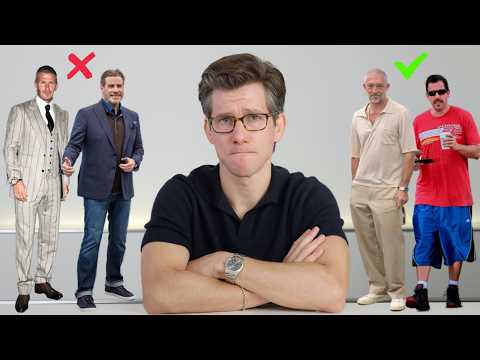
How to Build a Minimalist Shoe Collection (Basic, Preppy or Street)
About this video
McGoff teaches viewers how to build a minimalist shoe collection by organizing shoes into categories—sneakers, casual shoes, boots, and dress shoes—and selecting one or two pairs from each based on personal aesthetic and lifestyle needs. He argues most men can function with three to five pairs of shoes and presents three example collections (The Basic Bastard, The Preppy, and The Urban Warrior) to demonstrate how different styles and contexts shape shoe selection.
Key takeaways
- McGoff argues that most men can get away with just three to five pairs of shoes that cover regular daily activities like work, school, and socializing
- McGoff organizes shoes into four main categories—sneakers, casual non-sneaker shoes, boots, and dress shoes—and recommends selecting strategically from each based on personal preference and lifestyle
- McGoff emphasizes that minimalism is not a virtue or competition but a practical tool that should align with individual needs, climate, and aesthetic preferences rather than external pressure
Episode details: published July 30, 2019 · 137K views · 6:40 long. Summary written by Self Growth Videos from the episode itself. The style advice summarized here is Brock McGoff’s own teaching and opinion, presented for education; product recommendations are his, not ours. Summaries are written by Self Growth Videos from each video itself.
← Previous: Office Tour 2019 | My NEW Studio/Office Setup 👀 · Next: 9 Expensive Products That Are Worth the Money | AirPods, Rolex, Orlebar Brown Swim Trunks and MORE →
All Brock McGoff videos · Brock McGoff profile · Brock McGoff (official site)
You Might Also Enjoy

My Versatile Shoe Collection | Men's Boots, Sneakers & Dress Shoes
Explore →
Brock McGoff — Style as a System: Fit, Capsule Wardrobes, and Intentional Living
Explore →
My favorite things from 2025
Explore →
Minimalist Men's Pants Collection (Only 6 Pairs)
Explore →
Finances? Relationships? Mental Health? 500k Subscribers Q&A
Explore →