The EASY Way to Break ANY Habit (or Addiction)
About this video
Kegley gives a guilt-free discussion of why people stay stuck in bad habits like video games, sugar, nicotine, pornography, doom scrolling or alcohol, saying this is part one on why you’re stuck, with practical tips drawn from his experience. He tells his own nicotine story: in his 20s he got hooked on Juul e-cigarettes, quit to nicotine gum for a couple of years, then after seeing a clip of Andrew Huberman discussing claimed benefits of nicotine, started nicotine pouches for health/edge reasons. He says nicotine raises dopamine 250% above baseline, initially felt euphoric and charismatic, but eventually he needed it just to feel normal; quoting Huberman’s line that addiction is the progressive narrowing of things that bring pleasure, he describes feeling burned out, depressed, unmotivated and worried about cognitive decline before quitting again, saying he is 140 days off at the time of recording and feels great. Drawing on Dopamine Nation by Dr. Anna Lembke (as named in the transcript), he argues all addictions share the same brain pathway and dopamine hijacking leaves people drained, and the coping mechanism often worsens the problem it is meant to relieve. He says 50% of a bad habit’s damage is what it does, and the other 50% is the guilt and shame and story you tell yourself afterward. He stresses this is about frequency and hiding, not never enjoying a cigar or games in moderation. Tips include Allan Carr’s Easy Way idea that thinking quitting is hard makes it hard — he says he has not drunk alcohol in 800 days — and making a T-chart flipping what you think you’re giving up into what you’re actually gaining; taking a gentle day-by-day approach with milestones like 7, 14, 30 and 90 days instead of all-or-nothing ’never again’; replacing the habit because habits change forms rather than disappearing, as he replaced pouches with sunflower seeds, toothpicks and gum for an oral fixation; identifying cues/triggers in the cue-routine-reward cycle by logging feelings before the habit; and expecting to feel worse for a few days before feeling better.
Key takeaways
- Addiction hijacks dopamine pathways: what first gives an artificial boost eventually is needed just to feel normal and leaves you drained and unmotivated.
- Half the damage of a bad habit, in Kegley’s framing, is the guilt and shame afterward, not just the physical effect.
- Reframe quitting with a T-chart: list what you think you’re giving up and flip each item to what you’re actually gaining.
- Use a day-by-day approach with small milestones (7, 14, 30, 90 days) and build momentum from wins instead of a brittle never-again pledge.
- Replace the habit and track your cues — log what you’re feeling before the habit to find the root trigger in the cue-routine-reward cycle.
Episode details: published April 4, 2024 · 15:18 long. Summary written by Self Growth Videos from the episode itself. Business results and any income figures mentioned are Clark Kegley’s own claims, shared for education — they are not typical or guaranteed.
← Previous: How To Stop Caring What People Think of You (6 Game-Changing Tips) · Next: It took me 3 years to beat overthinking. I’ll tell you how to in 5 steps →
All Clark Kegley videos · Clark Kegley profile · Clark Kegley on YouTube
You Might Also Enjoy

It took me 35 years to realize what I’ll tell you in 13 minutes...
Explore →
Dumb People Are WINNING While You’re STUCK Overthinking
Explore →
How to Get Your Brain Addicted to Hard Things, Not Cheap Dopamine
Explore →
This is Boring, But It’ll Make You Dangerously Confident
Explore →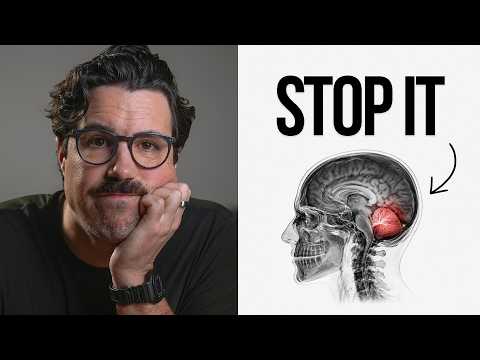
Give me 17 minutes and I'll ELIMINATE your self-sabotage forever
Explore →