Toxic Shame: Why you can't just "be yourself"
About this video
The creator explains toxic shame as a gap between a public self/persona and a private self: the belief that ‘if they really knew me, they would reject me,’ so you hide yourself. He gives three signs. One, presenting a false self — he recounts his girlfriend on their third date saying she needed the real him, not his cringey Instagram persona, and notes how performing a role (e.g., an always-masculine frame) creates fear of being found out and makes even success feel hollow. He also suggests many people labelled introverts are drained by persona-maintaining interactions, not by people per se. Two, escaping to fantasy and escapism — daydreaming like Walter Mitty, or withdrawing into video games, pornography, work, or travel to control or avoid real life, which keeps the shame cycle going. Three, self-isolation — he describes childhood chaos, being told he was ’too much,’ walking home alone, and later drinking alone; he says he is almost 1,000 days sober and found boredom, not willpower, the hardest part, forcing the question of why being himself felt not okay. Fixes focus on self-healing and self-acceptance over more self-improvement: give up needing everyone’s approval, spend time with people you don’t have to fake around, journal on ‘what part of me is not okay?’ — for him, the belief he always had to be mind-blowing — and consider therapy, which he recommends as CBT.
Key takeaways
- Toxic shame is the dissonance between your public persona and private self, driven by the belief the real you would be rejected
- A false self may attract attention but pushes people away and makes success feel undeserved because it wasn’t the real you who earned it
- Escapism — fantasy, games, porn, work, or travel — lets you control an alternate self instead of facing real-life challenges, perpetuating shame
- Self-isolation deprives you of the mirrors of relationships that show who you actually are and where you need to grow
- Healing starts with awareness and self-acceptance: drop the need for universal approval, seek people you can be real with, journal on why being yourself feels not okay, and consider CBT therapy
Episode details: published August 20, 2024 · 16:20 long. Summary written by Self Growth Videos from the episode itself. Business results and any income figures mentioned are Clark Kegley’s own claims, shared for education — they are not typical or guaranteed.
← Previous: How to Become the Person You’ve Always Wanted to Be · Next: 4 habits that will fix 74% of your problems →
All Clark Kegley videos · Clark Kegley profile · Clark Kegley on YouTube
You Might Also Enjoy

It took me 35 years to realize what I’ll tell you in 13 minutes...
Explore →
Dumb People Are WINNING While You’re STUCK Overthinking
Explore →
How to Get Your Brain Addicted to Hard Things, Not Cheap Dopamine
Explore →
This is Boring, But It’ll Make You Dangerously Confident
Explore →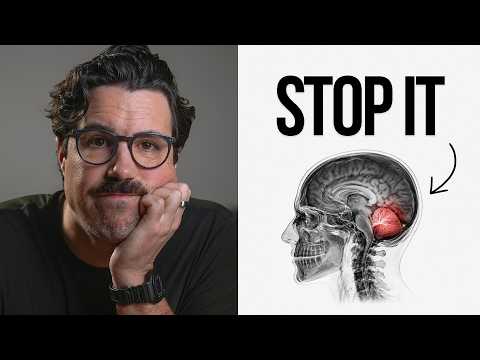
Give me 17 minutes and I'll ELIMINATE your self-sabotage forever
Explore →