The Biggest Longevity Mistake? Why More Isn’t Always Better | Dr. Elizabeth Yurth
About this video
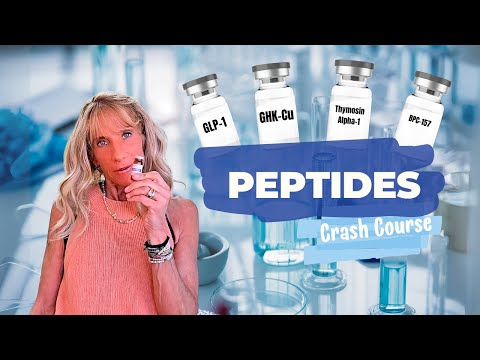
In this conference talk Yurth argues the biggest longevity mistake is continually adding supplements and interventions, claiming excessive antioxidants, especially mistimed around exercise, can do harm. She presents cells as resilient systems needing homeostasis and basic support, not overwhelm. Peptides, she argues, fit because many are endogenous signaling molecules that decline with age, analogous to hormones. She reviews categories she favors — gut and repair, copper, growth-hormone secretagogue, thymic, mitochondrial, pineal, and GLP-1 approaches — emphasizing repair before stimulation, seasonal cycling to reduce burden, and sourcing from legitimate compounding pharmacies. She also recounts FDA testimony she gave on peptide safety data and gray-market contamination concerns.
Key takeaways
- More interventions do not automatically mean better longevity outcomes
- Support the body’s own antioxidant and repair systems instead of overwhelming them
- Yurth frames many peptides as replacing age-related losses, like hormones
- Sequence matters in her model: repair damaged systems before stimulating them
- Cycle interventions to manage cost, fatigue, and physiologic balance
Episode details: published September 22, 2026 · 1.4K views · 24:16 long. Summary written by Self Growth Videos from the episode itself. The longevity and peptide concepts described are Dr. Elizabeth Yurth’s, presented for education — not medical advice. Consult a qualified professional before changing your own health practices. Disclosure: Dr. Yurth is co-founder and Chief Medical Officer of the Boulder Longevity Institute, a clinic, and BLI Academy sells clinician education.
← Previous: Retatrutide Is Real. What’s Being Sold to You Isn’t. · Next: Are Longevity Protocols Designed for Women? The Research Gap No One Talks About →
All Dr. Elizabeth Yurth videos · Dr. Elizabeth Yurth profile · Boulder Longevity Institute (official site)
You Might Also Enjoy
What Are Peptides & How Are They Helpful?
Explore →
What Are Peptides?
Explore →
A Guide to Peptides At Home & Ketone Safety
Explore →
The Best Peptide for Longevity
Explore →
Talking Peptides, Ketones, and the Mitochondria: February Q&A Highlights with Dr. Yurth
Explore →