How to Tie a Windsor Knot, Full Windsor, or Double Windsor & What To Avoid
About this video
The Gazette team demonstrates how to tie the Windsor knot, explaining its history and the common misconception that the Duke of Windsor actually created this knot. They explain that the Windsor knot’s size comes from the tie’s construction rather than the knot technique itself, and teach the step-by-step process for tying it while emphasizing the importance of using a thin, long tie with a wide cutaway collar to achieve the best proportions.
Key takeaways
- The Duke of Windsor never actually wore the Windsor knot; he created the appearance of large knots through tie construction with broad fabrics and extra interlining, not through the knot technique itself
- The Gazette team argues that Windsor knots require thin, long ties to avoid looking oversized and disproportionate, and should be paired with wide cutaway spread collars rather than classic or medium spreads
- The Gazette team notes that shorter men should avoid Windsor knots because achieving the correct tie length with this large knot creates unflattering proportions relative to their face and head size
Episode details: published July 29, 2015 · 258K views · 6:10 long. Summary written by Self Growth Videos from the episode itself. The style guidance summarized here is the Gentleman’s Gazette team’s own teaching and opinion, presented for education; product recommendations are theirs, not ours. Summaries are written by Self Growth Videos from each video itself.
← Previous: 8 Secrets Of A Great Summer Sport Coat Or Blazer - Gentleman’s Gazette · Next: 3 Dress Shoes Every Man Must Have →
All Gentleman’s Gazette videos · Gentleman’s Gazette profile · Gentleman’s Gazette (official site)
You Might Also Enjoy

How to Tie the Victoria Knot
Explore →
What to Wear to a New Year's Eve Party (with NO Dress Code!)
Explore →
Want Your Outfits to Look Expensive? Follow These 9 Tips!
Explore →
The RIGHT Watch to Wear with Your Outfits (Casual to Formal)
Explore →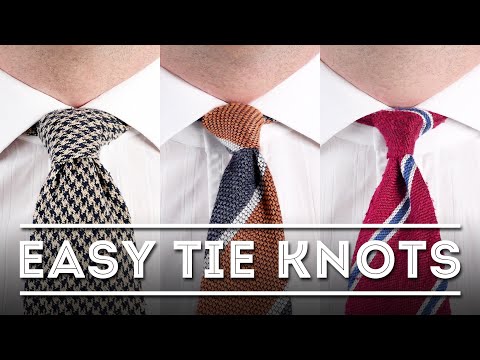
3 Easiest Tie Knots for Beginners - Step-By-Step Instruction - Works Guaranteed
Explore →