Brian Tracy: Choose One Important Task Before the Small Ones
You clear small messages all morning and still avoid the application, report or practice session that matters.
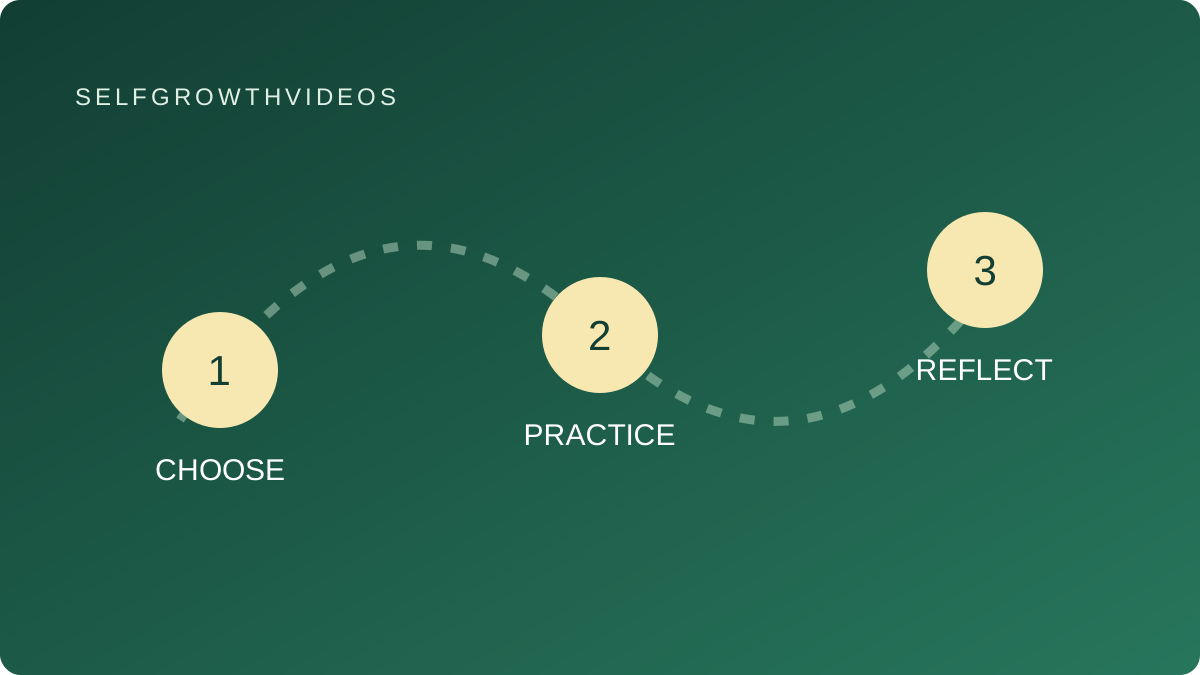 Choose, practice, reflect
A practical lesson
The Lesson
You clear small messages all morning and still avoid the application, report or practice session that matters. Before starting another easy item, identify which task most deserves a protected block of attention.
Brian Tracy uses the “frog” metaphor for a major important task that is easy to postpone. His advice is to give that task focused attention instead of continually choosing easier items. Eat That Frog, official article. About Brian Tracy.
Importance is connected to a real need or commitment. A task is not automatically the most important because it is unpleasant. Check deadlines, dependencies and the effect of leaving it undone. Some small tasks are urgent because another person is waiting for them.
Once you select the important task, define a useful first segment. “Work on the report” can hide several different activities. “Draft the section answering the client’s main question” gives the block a purpose. Fit the time to your circumstances instead of insisting every person must do their hardest work at the same hour.
Reflection
- What outcome matters most in the next few days?
- Which task directly serves it?
- What smaller urgent obligation must be handled first?
Practice
This is an original SelfGrowthVideos exercise inspired by the ideas above.
- List the tasks competing for your attention.
- Choose one important task and explain why it deserves priority.
- Define the first useful segment and gather the information it requires.
- Protect a realistic work block, then stop to assess progress and the next segment.
For a job application due soon, the useful segment might be tailoring one section of the résumé to the role. Put unrelated browsing aside during that block. If you need the job description or a factual work-history detail, gather it before starting.
Review
After the block, record what you produced and what remains. Did the task deserve the priority you gave it? Were interruptions unavoidable or preventable? Use the answer to plan the next block rather than judging the day by the number of boxes checked.
Go Deeper
Explore the Brian Tracy teacher profile and the Productivity learning hub. Choose one related idea to try before collecting more material.