Les Brown: Practice Introducing an Idea You Care About
How do I practice introducing an idea I care about?
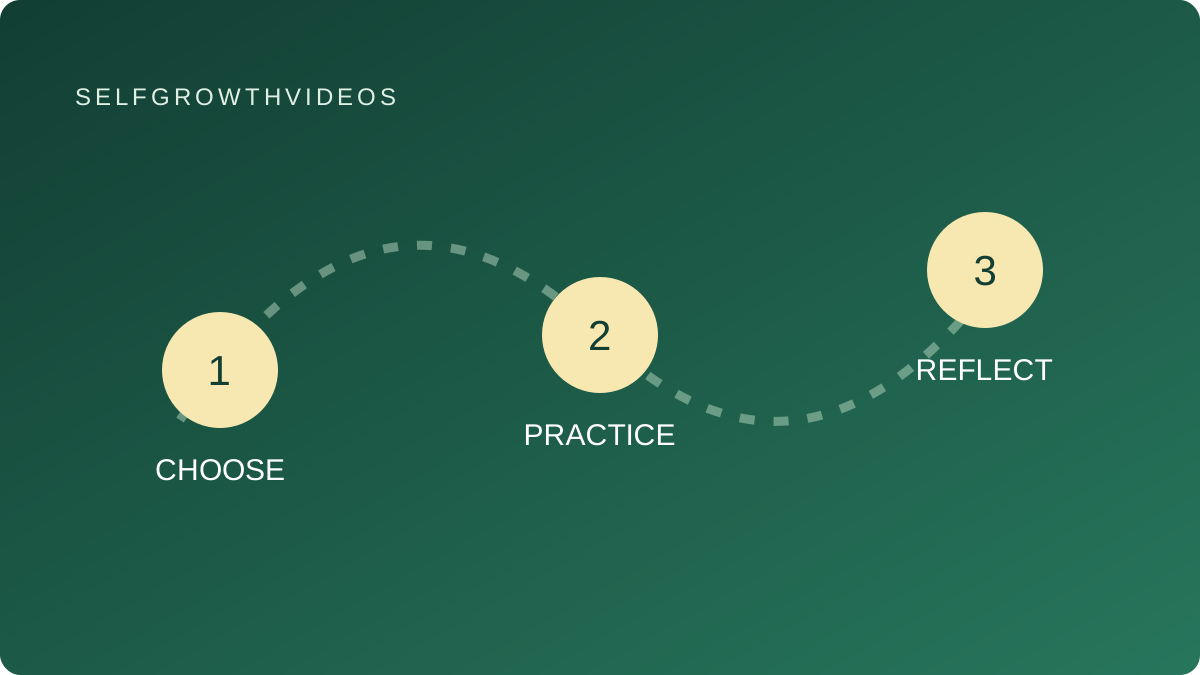 Choose, practice, reflect
A practical learning exercise
The Lesson
You have an idea for a community event, a change at work, or a project you would like to make. When someone asks about it, you explain the whole backstory and lose the point. A useful first rehearsal gives your listener enough context to understand the idea and ask a question.
Les Brown teaches public speaking as well as motivation. His publisher biography describes his work as a speaker and speech coach. The official description of his 2023 Speak to the World training emphasizes assessing an audience, adapting a presentation, and practicing with constructive feedback.
Those priorities suggest a practical starting question: what does this listener need to understand first? A colleague familiar with the problem may need a concrete proposal. A neighbor hearing about it for the first time may need an example of why it matters.
Prepare for one listener and one situation. Trying to sound impressive to everyone can leave you using broad words such as opportunity or transformation without explaining what anyone would actually do. Plain details give someone something to respond to.
The first rehearsal can also reveal what you have not decided. If you cannot explain who an event is for or what help you need, make a note of that uncertainty. You can introduce an unfinished idea honestly and ask a focused question about it.
Reflection
- Who is likely to hear this idea first, and what do they already know?
- What problem, interest, or possibility would make it relevant to them?
- What is one example that makes the idea easy to picture?
- What do I want to learn from their response?
Choose a modest situation: a team conversation, an introduction at a local group, or a practice with a trusted person. You do not need an audience or a public recording to begin.
Practice
This is an original SelfGrowthVideos exercise, not Brown’s course worksheet or an endorsed speaking method.
Write three short notes: the situation, your idea, and the response you would welcome. For example:
“A few neighbors have asked where they can learn basic bike repairs. I would like to explore a Saturday repair session with someone experienced. What would we need to check before inviting people?”
Add one concrete example if it helps explain the need. Keep personal information about other people private, and use only facts you can support.
Say the introduction aloud once. Notice where you hesitate because a sentence is complicated or an important detail is missing. Revise that part in ordinary language. You can work from notes; memorizing a speech is optional.
Ask a willing listener to hear the next attempt. Before explaining more, ask: “What did you understand the idea to be? What would you ask next?” Listen without correcting their first answer. Their account gives you something specific to compare with your intention.
If you practice alone, record a voice note privately or read the introduction after a short break. Write what the introduction actually communicates, including any unexplained terms. Treat this as a rehearsal observation, not a prediction of how every listener will respond.
Next, imagine a different listener: someone who knows the problem well, or someone hearing about it for the first time. Change the context they need while keeping the idea itself accurate. Compare the two openings: what can you omit for one listener, and what must you explain for the other?
Revise one sentence and try again. A useful revision might name the intended participants, replace a vague benefit with an example, or make the closing question easier to answer. Keep a copy so you can see what changed.
Review
After your next real conversation, ask whether the listener understood the main idea and had room to respond. What question did they ask? Which detail helped? What still needed explaining?
Choose one change for the next introduction. Understanding an idea does not oblige anyone to agree or participate; leave room for their priorities and decisions.
Go Deeper
Explore Les Brown’s teacher profile and Find Something Within for the site’s existing lesson on belief and environment. When you have work ready to discuss, try Brene Brown: Ask for Useful Project Feedback.