One Goal, One Week: Turn a Direction Into a Small Practice
How do I turn a direction I care about into a small experiment I can review?
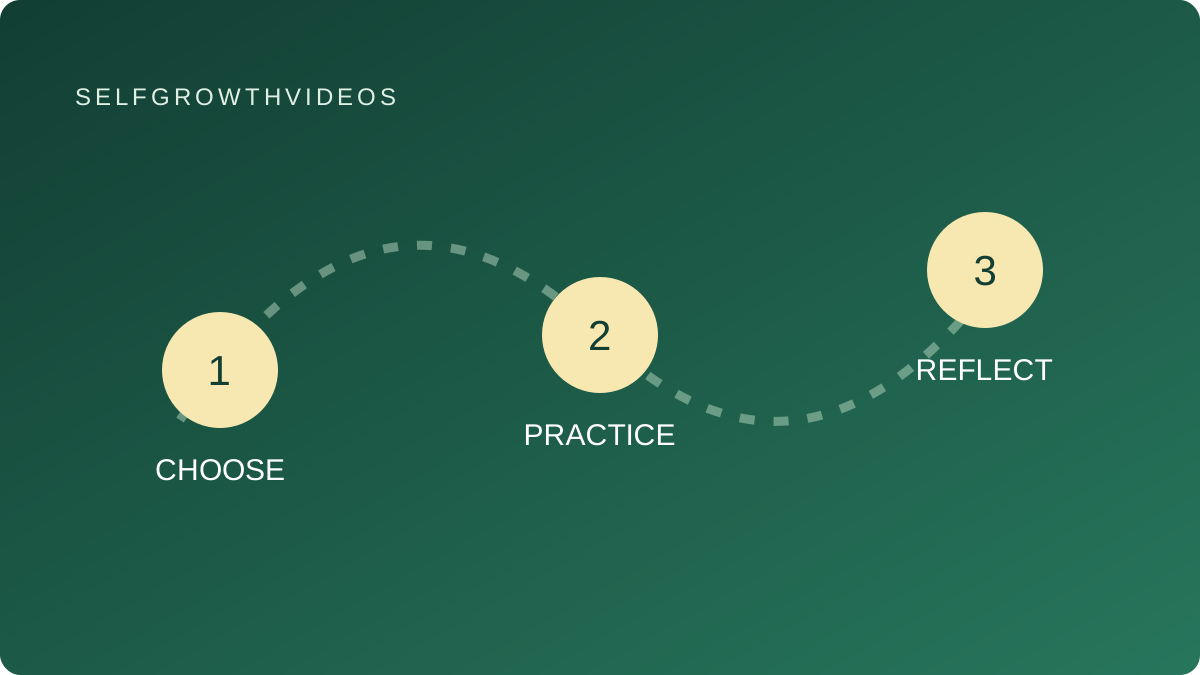 Choose, practice, reflect
A short goal experiment
The Lesson
Some goals stay in our heads because the distance between wanting something and doing something feels enormous. “Change careers” is a direction. It does not tell you what to do after breakfast tomorrow. “Become a writer” may matter deeply to you, but it leaves the first sentence unwritten.
Start by bringing the direction closer to an ordinary day. Choose one action you can attempt this week. Give it a place in your routine and a small beginning. At the end of the week, use what happened to design the next one. The reader question is: how do I turn a direction I care about into a small experiment I can review?
James Clear distinguishes the outcome we want from the routines that help us move toward it. A goal can point us somewhere; the system around our daily work determines what we actually practice. Read his explanation of goals and systems.
BJ Fogg’s Tiny Habits method offers a concrete way to begin: connect a very small behavior to something you already do. The existing routine becomes a reminder for the new action. See Fogg’s introduction to the method.
The following worksheet is an original SelfGrowthVideos exercise for trying those ideas, not either author’s prescribed worksheet. Their inclusion does not imply endorsement of this site. Seven days gives you a short period to observe and adjust. It is not a promise that a habit will form in a week.
Reflection
Take a few minutes to answer these questions in your own words:
- What would I like to be different three months from now?
- Why does that matter to me, beyond impressing someone else?
- What part can I act on, even if the final result depends on other people?
- What could I try this week with the time and resources I already have?
Choose one direction for this experiment. You can keep other ambitions on a separate list without trying to advance all of them today.
Practice
Write a sentence describing your direction. Then write a second sentence describing the practice. For example:
“I want to explore whether design work would suit me. After I clear my dinner plate on Monday, Wednesday, and Friday, I will open my practice file and sketch one simple screen.”
Opening the file and sketching one screen is something you can attempt. Landing a design job this week is a different kind of outcome. Your practice helps you gather experience and evidence while you explore the larger direction.
Make the first step smaller if it still feels hard to start. You might begin by opening the file and writing one observation about a design you use. Prepare the file ahead of time so you spend less energy finding it when the moment comes.
Use these four lines to build your own experiment:
My direction: I want to explore or improve ______ because ______.
My small practice: When I finish ______, I will ______.
My opportunities this week: I will try it on ______.
My evidence: I will record ______ so I can see what I attempted or learned.
Evidence can be a few sentences, a practice log, a sketch, a completed exercise, or a question you can now explain. Keep it private if that makes it easier to be honest. Sharing is optional.
After each attempt, make a brief note: what happened, what helped, and what got in the way. If you miss an opportunity, look at the design of the practice. Was the reminder unreliable? Was the action too large? Were the materials somewhere inconvenient? Adjust one thing and try again at the next opportunity.
Review Your Week
At the end of seven days, compare your plan with what happened. Did you attempt the practice? Did it teach you something about your direction? What would make next week easier or more useful?
You may decide to continue, reduce the action, change the reminder, or explore a different direction. A useful experiment can reveal that your original plan needs changing. Keep that information along with the work you completed.
Choose one adjustment for next week and put the next opportunity on your calendar. Progress begins to feel more tangible when you can point to something you tried and say what you learned from it.
Go Deeper
Explore James Clear’s teacher profile and Build Better Habits. Bring one idea from the lesson into your own practice before adding another.
Books on this topic
Books from this library that go deeper on the ideas in this page.


Some links on this page are affiliate links. As an Amazon Associate I earn from qualifying purchases. How affiliate links work here