Seth Godin: Write a Product Description Someone Can Use to Decide
Start with a reader's decision, trace the wording to supplied facts and keep unanswered product questions visible.
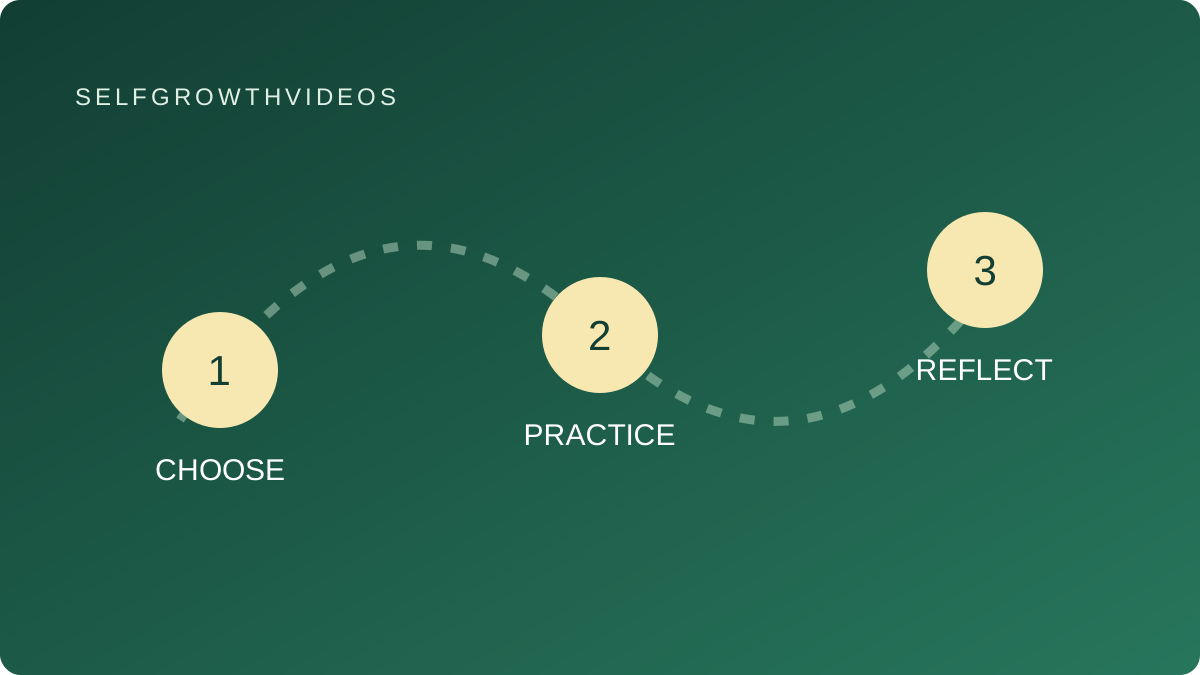 Choose, practice, reflect
A practical lesson
The Lesson
A product description helps someone decide whether an item fits a need. That task becomes harder when enthusiastic language outruns the information available. Before polishing a sentence, identify the decision it should help the reader make and the fact that supports it.
In his official post Sell the problem, Seth Godin asks marketers to consider whether the other person recognizes a problem before moving into features and benefits. His official About page identifies his writing and blog. For this lesson, use the source idea as a question: what is the reader trying to decide, and is the description answering it?
That question does not permit inventing a need or a product benefit. A useful description can identify what the item is, state relevant dimensions and explain what is included. Where the fact sheet stops, keep a question for the product owner. An attractive sentence is still a poor description if it creates an expectation the facts cannot support.
The fictional practice below focuses on a pencil pouch. There is no real product for sale. Its facts are intentionally limited so you can notice the difference between explaining something known and filling an information gap with confident copy.
Reflection
- What would a reader need to know before deciding whether this item is suitable?
- Which statements describe supplied facts, and which predict an outcome?
- Does the wording imply that an accessory is included?
- Which missing details should become questions rather than claims?
Practice
Original SelfGrowthVideos exercise: This fact-to-description rehearsal is our application of the reader-decision question. It is not Godin’s template or an endorsed writing method. Keep it as a private fictional sample; no customer contact or publication is needed.
Use this fact card: the item is a canvas pencil pouch with a zip closure. Its external measurements are 20 cm by 9 cm. It is intended for small stationery. Pencils are not included. Price, shipping information and care instructions have not been supplied.
- Name the decision. Write a reader question such as: What is this pouch, and what would I receive? Avoid assuming that every reader needs a new organizer or that the item solves a problem you have not established.
- Sort facts and questions. List the material, closure, external measurements, intended use and excluded pencils as known. Put care, price and delivery questions in a separate list for the product owner. Do not supply likely answers from memory.
- Draft a short description. For example: “A canvas pencil pouch with a zip closure, intended for small stationery. External measurements: 20 cm by 9 cm. Pencils are not included.” This is sample copy for the fictional item, not a real offer.
- Trace every claim. Connect each factual phrase to the card. Remove unsupported statements about waterproofing, durability, safety or delivery. If the sentence says it fits a 20 cm ruler, revise it: external measurements alone do not establish the usable space inside.
- Check implied promises. Compare the supported draft with an exaggerated phrase such as “holds all your tools.” The card does not establish that capacity. Replace broad promises with the specific information available, and keep any useful unanswered question for the owner.
- Try a reader review. Ask a willing reader what they expect to receive, what they can decide from the description and what they still need to ask. Compare their answers with the fact card. Revise wording that implies included pencils or a verified internal capacity.
Save the fact card, description and unanswered-question list together. This gives another reviewer a way to see why a sentence is present and what still needs confirmation. A shorter supported description is a workable draft even when more product information is needed.
Review
Did the reader understand the known limits, or did a phrase create a stronger expectation? Distinguish an unclear sentence from a genuinely missing product fact. The first needs editing; the second needs an answer from a reliable source before it becomes copy.
One reader’s response does not establish market demand or predict sales. It can reveal a misunderstanding in this small draft. Repeat the practice with another fictional fact card and check whether your process still separates useful explanation from unsupported promises.
Go Deeper
Visit Seth Godin’s profile and his separate lesson on choosing a specific first audience. Compare answering one buyer question clearly. Continue with Writing, Editing & Translation or the broader Start a Business foundation path.