Zig Ziglar: Prepare a Conversation About a Shared Goal
How do I prepare a helpful conversation about a shared goal?
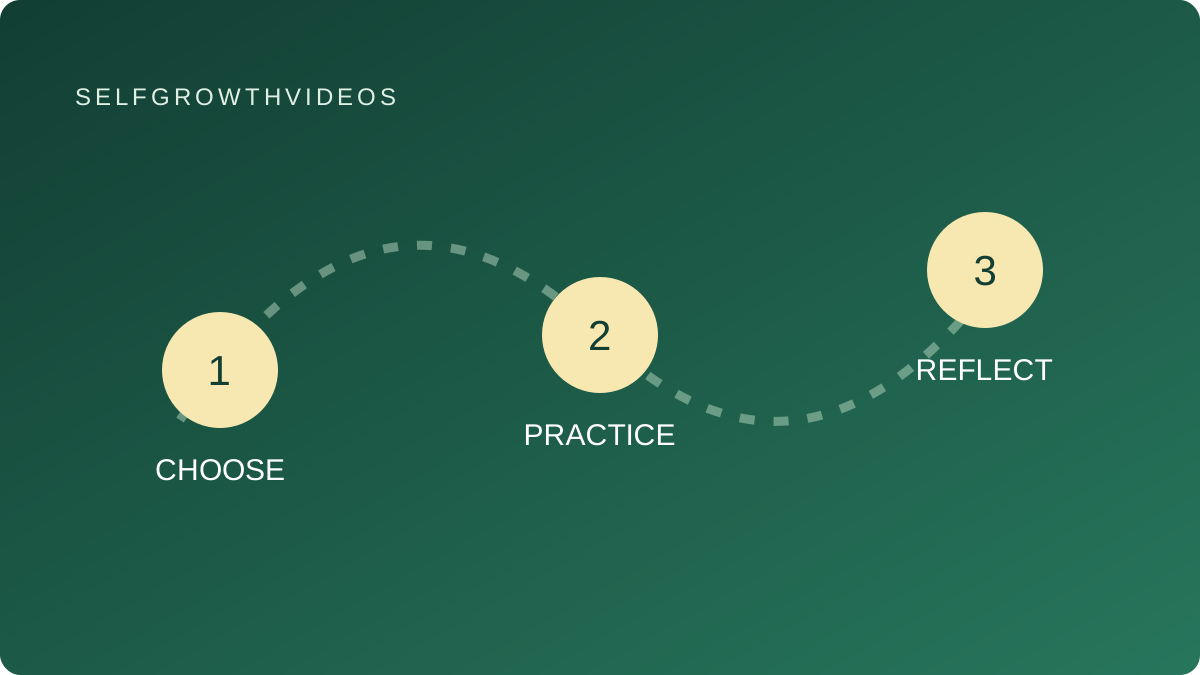 Choose, practice, reflect
A practical learning exercise
The Lesson
You want a smoother handoff at work, a shared household plan, or a community project that several people can manage. You have a proposal ready. Before deciding who does what, find out whether the other person sees the same need and wants the same result.
In the official Ziglar Show notes for episode 433, host Kevin Miller discusses listening and understanding another person’s needs in Zig Ziglar’s communication teaching. Listening gives you information a prepared pitch cannot supply: what matters to this particular person, in this situation.
The Ziglar Goal Setting System also offers a planning chart that considers benefits, obstacles, needed skills, people to work with, and an action plan. These are useful subjects for a conversation, even when the participants have different priorities.
A shared goal needs an actual discussion. “Let’s make the event better” might mean more visitors to one person and less volunteer work to another. Both concerns deserve to be heard before a new plan adds tasks to someone’s week.
Prepare your own view, then leave space to change it. You might discover that a smaller project fits both people’s needs, that an important resource is missing, or that there is no agreement to proceed. Knowing that early gives you a clearer basis for your next decision.
Reflection
- What result would I like, and why does it matter to me?
- What am I assuming the other person wants?
- What limits on time, resources, or responsibility should I explain?
- What would I be willing to change after hearing their view?
Separate what the person has actually said from what you have guessed. Bring questions about the guesses.
Practice
This is an original SelfGrowthVideos exercise for an ordinary planning conversation. It is not a Ziglar worksheet or an endorsed negotiation method.
Invite the conversation with a specific subject: “Could we discuss the handoff between our shifts? I would like to understand what would make it easier for both of us.” Check that it is a suitable time before starting.
Prepare three questions: what is working now, what is difficult, and what would a useful improvement look like from their side? Ask one at a time. Let the answer finish before offering your solution.
Summarize what you heard and ask whether you understood: “It sounds as though the missing status notes cost you time, but a long daily meeting would be difficult. Have I got that right?” Use their actual answer rather than this example’s assumptions.
Explain your own need and one relevant constraint. For instance: “I want fewer repeated questions after I leave. I can update a short note before the end of my shift, but I cannot stay late for a meeting.”
Write a possible shared result in language you both understand. Then compare options against it. A short status note may fit; a meeting may not. Ask what information the note needs and whether either person sees a problem with the proposal.
If you agree to try something, record the action, who freely agreed to it, and when you will check whether it helped. If you need more information, make that the next step. If you disagree, write down the unresolved point without treating silence as consent.
Review
At the agreed check-in, ask each person what happened. Did the change address the problem they described? Did it add an unexpected burden? Should you keep it, revise it, or stop?
Review your listening too. Name one thing you learned that was absent from your original proposal. Use that observation to prepare the next conversation.
Go Deeper
Explore Zig Ziglar’s teacher profile and the company’s account of his work and books. For the next planning stage, read Iyanla Vanzant: Clarify a Shared Responsibility. If a specific obstacle calls for help, try Courtney Dauwalter: Ask for Specific Support.