Why Conflicts in the Middle East Makes China Stronger
About this video
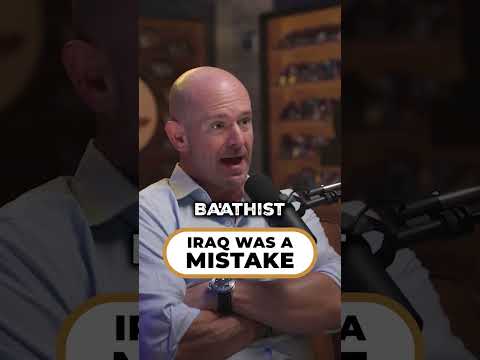
A former intelligence officer describes his work running human sources in Iraq during the war on terror. He explains the process of recruiting and managing sources, emphasizing that trust built around shared goals like ending the war and protecting families was more effective than money. Looking back, he argues Iraq was likely a strategic mistake that cost American focus while China rose as an existential threat, though he believes Afghanistan was more justifiable initially.
Key takeaways
- The guest explains that effective source recruitment in war zones relied more on shared goals like ending conflict and protecting families than on financial incentives
- The guest states he would not have made the decision to invade Iraq again, citing the cost in casualties and America’s global position, despite Saddam Hussein being an evil person
- The guest argues the wars in the Middle East allowed China to grow as an existential threat while America focused on less existential conflicts with terrorist groups and Iran
Episode details: published March 28, 2026 · 4.4K views · 19:16 long. Summary written by Self Growth Videos from the episode itself. Stories told by Mike Ritland’s podcast guests are the guests’ own accounts, attributed to them — not independently verified. Commentary is Ritland’s, presented as his analysis.
← Previous: Vice Adm. Robert Harward Reveals America’s Biggest Mistakes in the Middle East · Next: Venezuela Oil Just Changed The Entire Game →
All Mike Ritland videos · Mike Ritland profile · Mike Drop (official site)
You Might Also Enjoy

ISA Tier 1 Operator: Why Controlling the Strait of Hormuz Is America's Real Problem
Explore →
Why IRAN Got STRONGER After We “Won” in Iraq
Explore →
Iran Gets BOLDER as U.S. Forces Pull Back | A Navy SEAL Reacts
Explore →
America Is Leaving Iraq - Was It Worth It? | A Navy SEAL Who Was There
Explore →
Tier 1 Operator Breaks Down Why Invading Iran Would Be Worse Than Iraq
Explore →