American vs English vs Italian Suits | Which Suit Style Wins? | Menswear Around The World
About this video
Centeno compares and contrasts three suit styles—English, Italian, and American—examining their origins, construction features, and aesthetic characteristics. He argues that the best suit style depends on individual body type, professional needs, and personal preferences, providing case studies to guide viewers toward the most flattering option for their specific circumstances.
Key takeaways
- Centeno explains that English suits feature heavy fabrics, structured shoulders, defined waistlines, and double vents rooted in military and equestrian history
- Centeno argues Italian suits prioritize lightweight fabrics, unstructured construction, high armholes, and close tailoring to create a second-skin fit with fashion-forward styling
- Centeno recommends matching suit style to body type and lifestyle: Italian or American for shorter, muscular builds; English for taller, thinner frames; American for average builds with midsection weight
Episode details: published June 2, 2016 · 298K views · 5:38 long. Summary written by Self Growth Videos from the episode itself. The style advice summarized here is Antonio Centeno’s own teaching and opinion, presented for education; product recommendations are his, not ours. Summaries are written by Self Growth Videos from each video itself.
← Previous: How To Tie A Half Windsor Knot | Half-Windsor Necktie Video Tutorial | Tying Neck-tie Halfwindsor · Next: Dress Like James Bond | Celebrity Style Series | Ashley Weston Men’s Stylist | Casual Style 007 →
All Antonio Centeno videos · Antonio Centeno profile · Real Men Real Style (official site)
You Might Also Enjoy

Choosing Between 3 Button & 2 Button Mens Suits - 2 Button Jacket Vs. 3 Button Jackets
Explore →
Why Custom Clothing Beats Luxury Brands… Every Time!
Explore →
The Surprising Psychological Effect Of Wearing A Suit
Explore →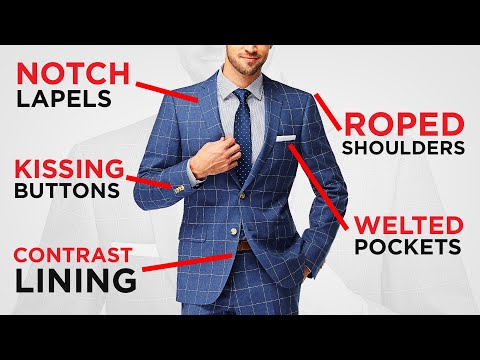
Ultimate Guide To Buying A Custom Suit Online (EASY Step By Step Process)
Explore →
9 Styling Tips to Look TALLER and LEANER
Explore →