What Does A Man's Bald Head Signal? | Do Men With Shaved Heads Project Dominance & Authority?
About this video
Centeno analyzes a 2012 University of Pennsylvania study examining how people perceive men with shaved heads versus men with hair. He discusses the study’s findings on dominance, confidence, masculinity, and attractiveness, and addresses the perception difference between a fully shaved head and thinning hair.
Key takeaways
- Centeno argues that men with shaved heads are perceived as more dominant, confident, masculine, taller, and stronger than men with hair, based on the study’s results
- Centeno notes that while shaved heads are perceived as less attractive than full heads of hair, this disadvantage may be offset by the other positive perceptions
- Centeno emphasizes that thinning hair is perceived negatively across all measured traits, so men with thinning hair should either shave completely or avoid discussing hair loss
Episode details: published July 21, 2015 · 904K views · 6:03 long. Summary written by Self Growth Videos from the episode itself. The style advice summarized here is Antonio Centeno’s own teaching and opinion, presented for education; product recommendations are his, not ours. Summaries are written by Self Growth Videos from each video itself.
← Previous: How Facial Piercings Affect Perception of Attractiveness & Intelligence | Ear Nose Brow Lip Rings · Next: Wearing A Sweater In Hot Weather | How To Pull Off The Sweater Look In Warm Temperatures →
All Antonio Centeno videos · Antonio Centeno profile · Real Men Real Style (official site)
You Might Also Enjoy

The BEST Haircuts for Men with Thinning Hair (Look 10x Better!)
Explore →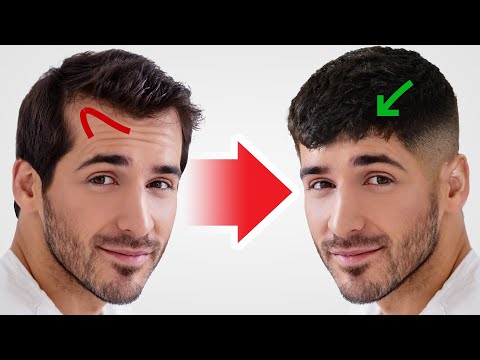
5 Hairstyles For Men With Thinning Hair (That Still Look Great)
Explore →
7 Ways Sunglasses Make You More Attractive (Backed By Science)
Explore →
3 Hair Loss Treatment Options | Attract Women While BALDING | Increase Confidence With Thinning Hair
Explore →
9 Factors that Affect Male Hair Loss | 6 Ways to Prevent Losing Hair or Balding | Stop Going Bald
Explore →